After "which detector is best", the question we hear most in Quetta is "which machine will find gold ten metres down?" It's a fair question, and advertising has made it confusing. Three very different kinds of equipment are all sold as an underground gold detector machine, and they do not do the same job.
Three Kinds of "Underground Gold Detector Machine"
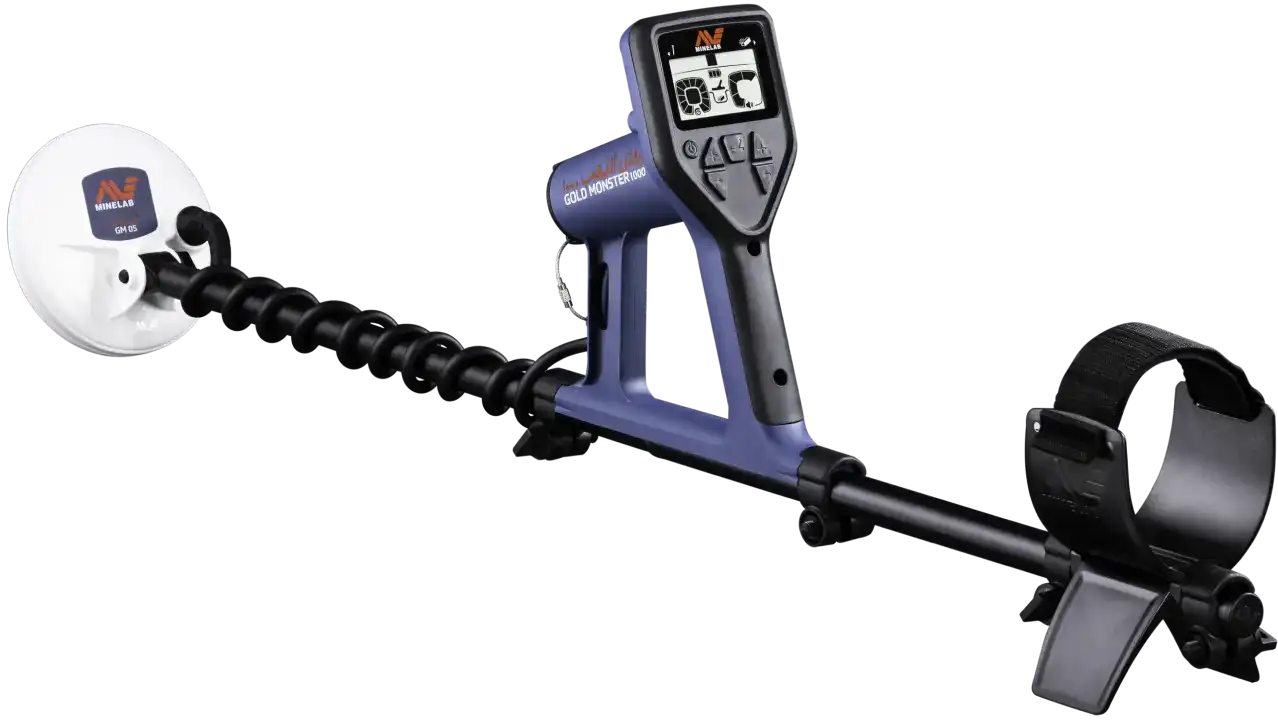
- Handheld gold and metal detectors (VLF and pulse induction). You sweep a coil over the ground and the detector reacts to metal underneath. Their performance can be measured: depth depends on the size of the target and the ground. A small nugget is found at centimetres to about a foot; a large metal object much deeper.
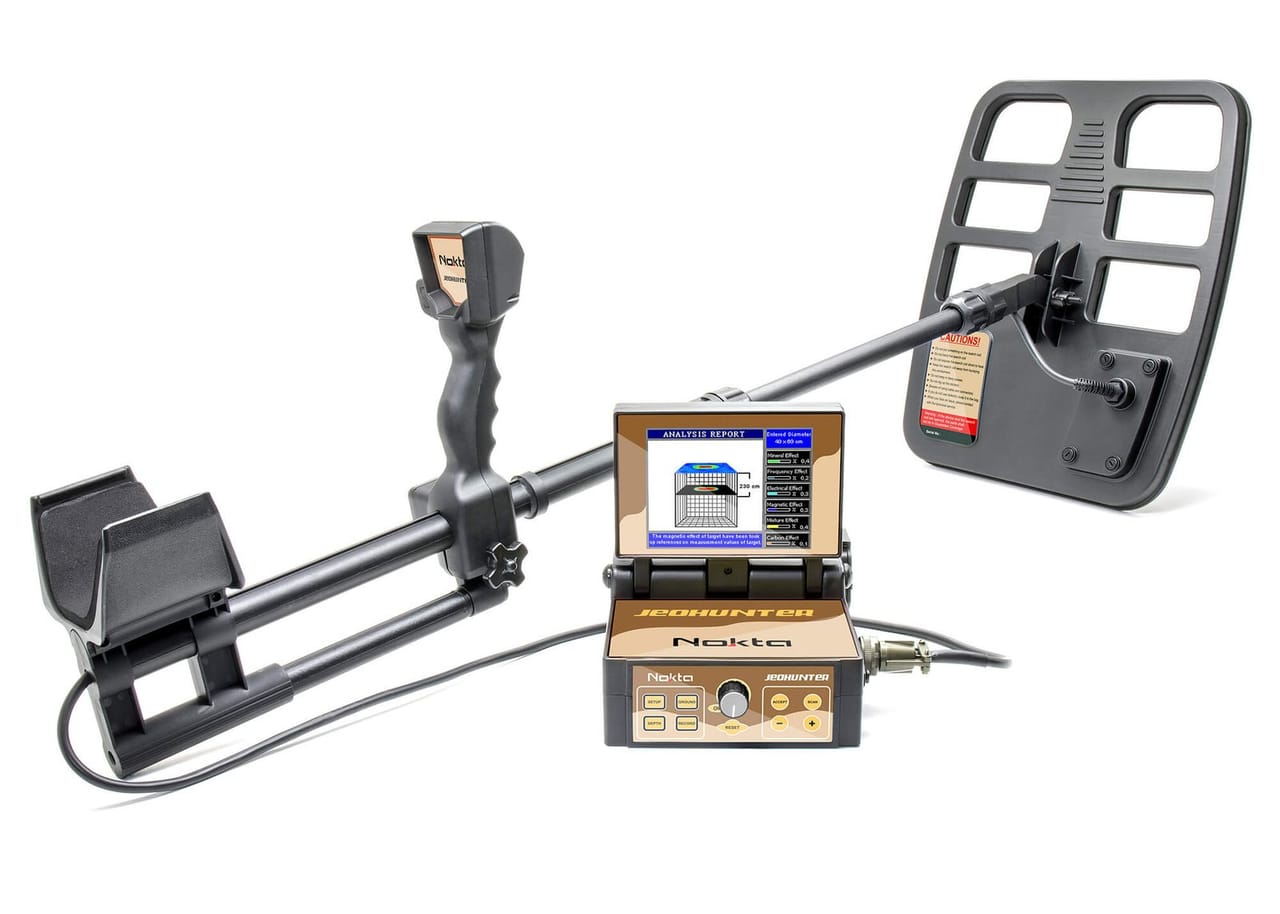
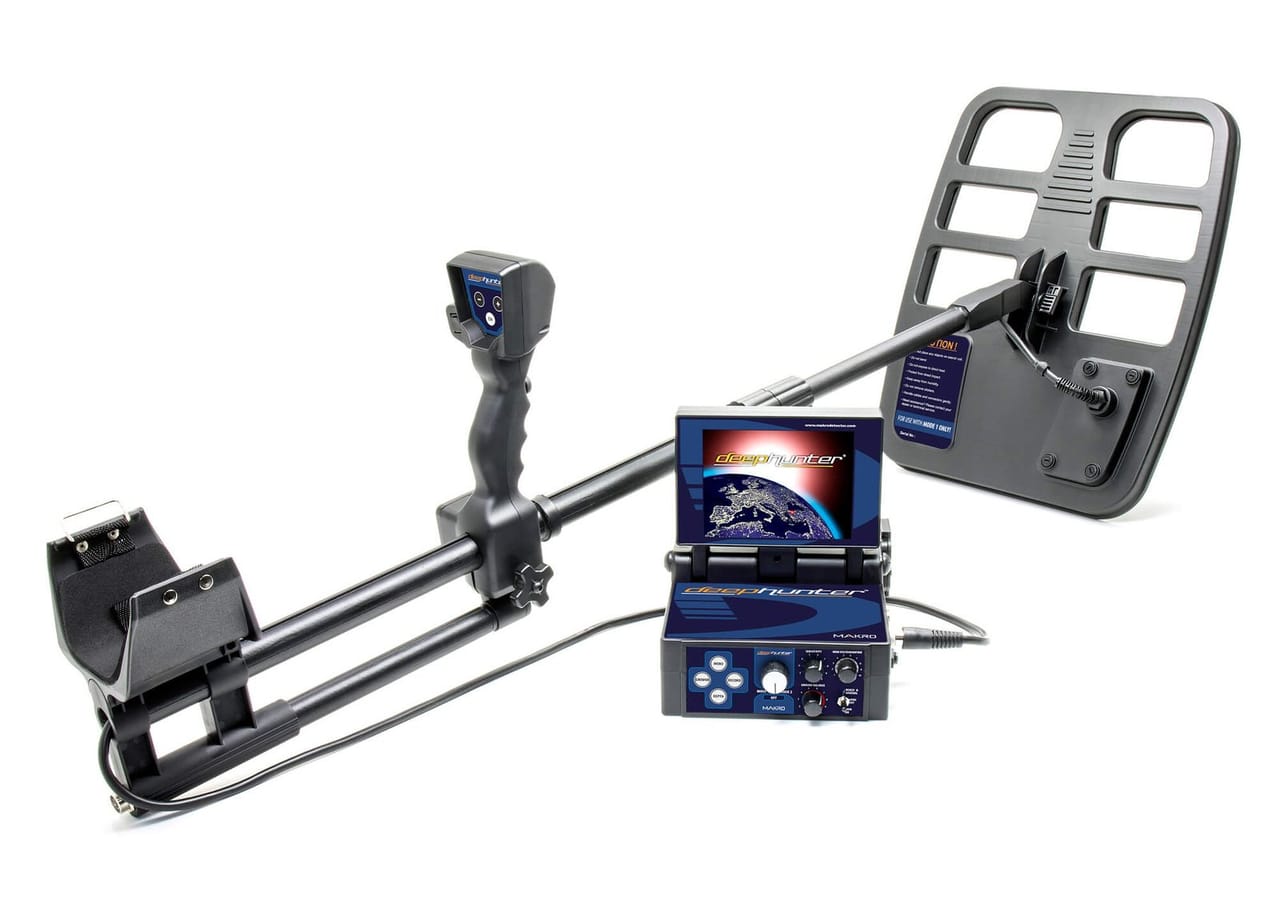
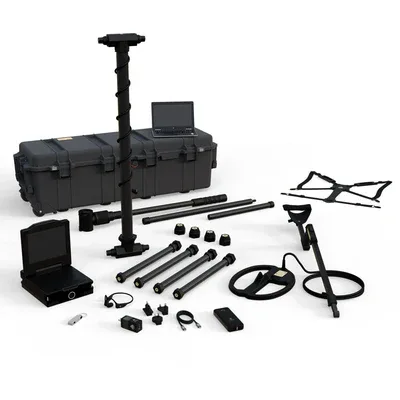
- 3D ground scanners and deep search systems. You walk the ground in an even grid while the machine records readings, and software draws a picture of what's below: metal masses, cavities, voids and disturbed ground. They cover more depth than a handheld detector, but only for large targets.
- Long range locators (LRLs). Handheld units designed to scan wide areas of open ground and point you towards where to search in detail.
Long Range Gold Detector in Quetta
Long range locators are designed for a different job from a handheld detector: covering wide areas of open ground quickly, so you can narrow down where to search in detail. They are lighter and quicker to use than a 3D scanner, and they don't need a grid survey or software. See the long range locators we stock in Quetta, and ask us on WhatsApp for a field demo of any model.
What a 3D Ground Scanner Can and Can't Tell You
A 3D scanner is a real survey tool, but it's easy to expect too much from it. It can show that something different from the surrounding soil is buried at a spot: a large metal mass, a cavity, a tunnel or an old filled-in pit. It also gives a rough idea of the size, shape and depth. It can't reliably tell gold from iron or other metals, and it will not show a small nugget at depth. Mineralised rock, water and uneven walking all create anomalies too. Every scan needs careful interpretation and, near the surface, confirmation with a handheld detector.
3D Ground Scanner Price in Quetta
| Scanner | Made in | Suits | Price in Quetta |
|---|---|---|---|
| Nokta Jeohunter 3D Dual System | Turkey | Entry to 3D scanning, cavities and large metal | PKR 1,345,000 |
| Nokta Deephunter 3D Pro | Turkey | Dual search system, more depth | PKR 1,680,000 |
| Multimax | Turkey | Deep pulse search in rocky ground | PKR 2,250,000 |
| Lorenz Deepmax Z2 | Germany | Large deep targets and voids | PKR 3,820,000 |
| OKM eXp 7000 Professional Plus | Germany | Professional survey and archaeology work | Price on request |
Which Should You Buy?
- Looking for gold nuggets → a pulse induction or high-frequency gold detector, not a scanner. Start with the GPX 6000 vs GPZ 7000 comparison or the beginner's guide.
- Surveying a site for cavities or large buried metal → a 3D ground scanner. Budget for the time it takes to learn the software.
- Covering wide areas of open ground → a long range locator. Ask us for a field demo.
Frequently Asked Questions
What is the 3D ground scanner price in Quetta?
From PKR 1,345,000 for the Nokta Jeohunter 3D Dual System; OKM models such as the eXp 7000 Professional Plus are priced on request.
What is a long range gold detector used for?
A long range locator is used to cover wide areas of open ground quickly and narrow down where to search. We stock GoldXtra and other long range locators in Quetta; ask us on WhatsApp for a demo.
Which is the best underground gold detector machine?
It depends on the target. For gold nuggets, a pulse induction gold detector such as the Minelab GPX 6000. For large buried objects and cavities, a 3D ground scanner. No machine finds small gold deep underground.
Can a 3D ground scanner tell gold from other metals?
Not reliably. A scanner shows that there is an anomaly, such as metal or a cavity, and roughly where and how big it is. It cannot confirm that the anomaly is gold.